A professional drywall removal service helps when tear-out creates heavy debris, spreading dust, safety risks, or delays. In Annapolis, the right crew can remove drywall, plaster, and related waste from homes or businesses, load it safely, and leave the area ready for the next part of the project.
Drywall removal can look easy at first. A few cuts and pulls can soon create piles of broken board, screws, paper, dust, and insulation. The hardest part is often not taking drywall down. It is controlling the mess and moving the waste safely.
Annapolis MD Junk Removal helps property owners understand when a project needs extra help. The signs below can help you choose between safe do-it-yourself work and help from a trained removal crew.
Table of Contents
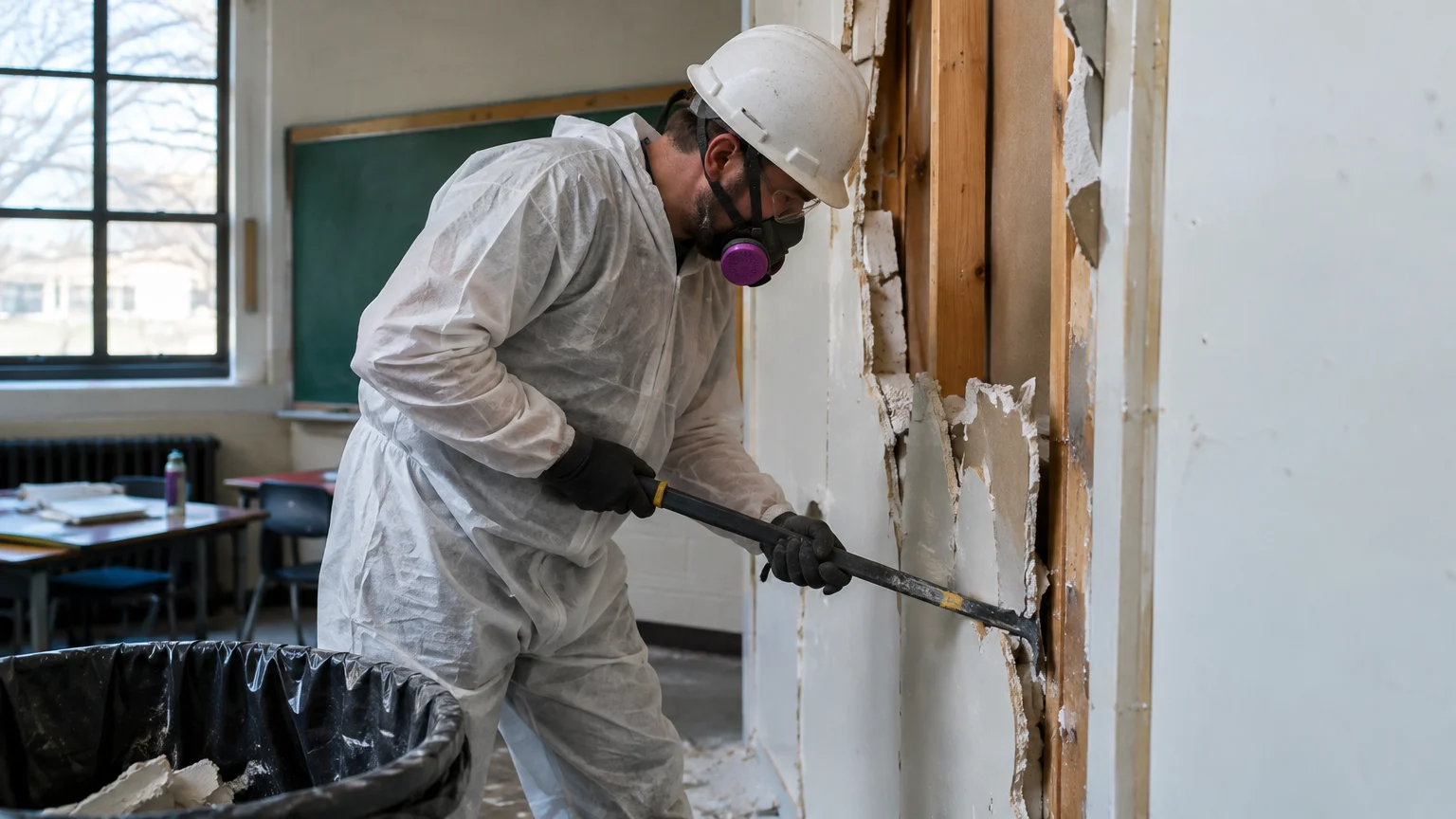
- Is the drywall tear-out creating more debris than you can handle?
- Are dust and debris spreading beyond the work area?
- Is the drywall removal taking longer than expected?
- Do you lack the right equipment for safe drywall removal?
- Could the old drywall contain hazardous materials?
- Is there more renovation debris than drywall alone?
- How do you know when professional drywall removal is the better choice?
- Key Takeaways
- Frequently Asked Questions
- Conclusion
Is the drywall tear-out creating more debris than you can handle?
A project may need outside help when drywall waste fills rooms, blocks paths, or cannot fit in normal trash service. Broken sheets take up more room than many people expect. Even careful tear-out can create a pile that must be carried, loaded, and removed.
How much drywall waste can a typical renovation produce?
The amount depends on the number of rooms, wall height, ceiling size, and removal method. One wall may create manageable waste for a homeowner. A whole-home remodel, office update, or rental cleanout can create more debris than one person can move safely.
Drywall breaks into awkward pieces. Large sections can be hard to carry through doors and down stairs. Small pieces have sharp edges and loose dust. The pile may also include joint compound, metal corner bead, screws, wood strips, and insulation. These items make cleanup harder than placing household trash at the curb.
Look at the planned work area before starting. If debris will cover a room, block access, or compete with tools and building supplies, plan removal early. Contractors should also think about how waste will affect workers moving through the site.
Why separating drywall from other construction debris matters
Drywall should not always be mixed with every other material. Clean drywall, wood, metal, concrete, and general trash may have different handling rules. Keeping items apart can make sorting easier and may help the property owner follow local disposal rules.
A professional drywall removal service can help identify waste types before loading starts. The crew can also explain which items need special care. In Annapolis, local rules and available facilities may affect renovation waste plans. Annapolis MD Junk Removal can help property owners create a cleaner removal process.
Are dust and debris spreading beyond the work area?
Spreading dust is a clear sign that drywall removal needs better control. Fine particles can move under doors, through vents, and across nearby surfaces. When a home or business stays open, the mess can disrupt daily work and create more cleaning.
How drywall dust affects occupied homes and businesses
Drywall dust can settle on floors, shelves, furniture, equipment, and electronics. It may reach rooms far from the tear-out area. In a business, dust can affect customers, staff, stock, and sensitive equipment. In a home, it can make kitchens, bedrooms, and shared rooms hard to use.
Dust is not the only concern. Loose pieces can create trip hazards. Nails, screws, and metal edges may remain in the pile. Broken panels can scratch floors or damage door frames while people carry them through the property.
Homeowners can handle small repairs with careful cleanup and basic protection. Close nearby doors, cover surfaces, wear eye protection, and keep dust out of heating and cooling systems. A larger tear-out needs a stronger plan, especially when people must stay inside.
What professional containment and cleanup involve
Containment means keeping dust and debris inside the work zone. A crew may use protective coverings, clear paths, careful carrying methods, and repeated cleanup. The right plan depends on the property, work area, and waste type.
Removal crews also plan the route from the wall to the truck. They can break large pieces in a controlled area and keep walkways clear. This helps limit dust and keeps debris from spreading through the building.
A professional crew does not replace testing or licensed hazardous-material work. It can help with ordinary construction debris removal after the material is confirmed safe. This difference matters in older homes and commercial buildings.
Is the drywall removal taking longer than expected?
Drywall tear-out often takes longer when walls have several layers, hidden fasteners, strong glue, or added insulation. Delays also happen when waste has nowhere to go. If removal is holding up electricians, plumbers, painters, or installers, hauling help may keep the project moving.
Common reasons drywall tear-out projects fall behind
Old drywall may have more screws than expected. Plaster may sit behind it. Some walls contain wood lath, wire mesh, insulation, or several finish layers. Ceilings can take longer because workers must reach overhead and control falling pieces.
Access can cause another delay. Narrow halls, stairs, elevators, gates, and occupied rooms change how debris can leave. A crew may also work around appliances, furniture, stored items, or active business areas.
Waste handling is often the hidden cause of delay. Someone must gather broken pieces, remove sharp fasteners, load the material, and keep the site safe. When workers stop their main trade to handle debris, the schedule can slip.
How trained removal crews help keep renovations moving
A trained crew can review the work area, identify waste types, and plan the carrying route. The crew can then focus on safe removal and loading while the contractor handles other tasks. This can help during kitchen updates, bathroom remodels, office renovations, and property cleanouts.
Contractors should share site details before the visit. These details include the building type, floor level, access limits, material type, and other waste. Clear information helps the crew prepare for the actual job.
The goal is not to rush demolition. The goal is to stop debris handling from delaying the next trade. A well-planned site stays easier to walk through and inspect.
Do you lack the right equipment for safe drywall removal?
A homeowner may manage a small drywall repair with simple hand tools. Larger tear-outs often need more protection, carrying space, and a suitable vehicle. If the property owner lacks these resources, a professional drywall removal service may be safer.
Tools and vehicles often needed for hauling drywall
Drywall removal may involve utility knives, pry bars, hammers, screw guns, dust controls, gloves, eye protection, and strong containers. The right tools depend on how the material is attached. Removing panels without checking behind them can damage wires, pipes, or other building systems.
Hauling requires more than a few bags. Large pieces may need to be broken down, stacked, and secured. A suitable vehicle must have enough room and keep the load contained during travel.
Do not use a vehicle that cannot safely carry construction waste. Overloaded or loose debris can cause road problems. Local facilities may also have rules for drywall and mixed renovation materials.
Why lifting and loading large debris can create hazards
Drywall panels are awkward, even when they are not very heavy. They can block your view, catch on doorways, and shift while being carried. Broken pieces may have sharp edges, exposed screws, or metal trim.
Stairs and uneven ground add more risk. Someone carrying debris may slip, twist a knee, or drop the load. Repeated lifting can strain the back and shoulders. These risks grow when the area is dusty or poorly lit.
A homeowner can clean a small amount by working slowly and keeping the path clear. A larger job needs more care. A removal crew can bring protective gear, a loading plan, and enough hauling space for the debris.
Could the old drywall contain hazardous materials?
Older walls and ceilings need extra care when their age, condition, or past use is unknown. Drywall may connect to other materials that need testing before disturbance. Stop work if suspicious material appears, then seek help from a qualified professional.
When older walls and ceilings need extra caution
Age alone does not prove that material is dangerous. Still, older buildings may contain asbestos, lead-based coatings, or other materials that need special handling. Risks may come from joint compound, textured finishes, insulation, flooring, pipe coverings, or layers behind the drywall.
Visible damage can also raise concern. Crumbling material, unusual insulation, powdery coatings, or unknown ceiling textures should not be treated as normal debris. Cutting into a wall without knowing what is inside can spread material through the building.
The U.S. Environmental Protection Agency’s asbestos renovation guidance explains why asbestos materials need careful management. Local rules may also apply, especially for commercial properties and larger renovation work.
What to do before disturbing suspicious materials
Stop the tear-out when material looks unusual or its history is unknown. Keep people away from the area. Do not sweep, vacuum, scrape, or break the material until a qualified inspector or licensed specialist gives instructions.
Testing may be needed before ordinary debris removal starts. A junk removal company should not handle confirmed hazardous material unless it is licensed and equipped for that work. Ask who will manage testing, removal, packing, and disposal.
Once the material is cleared for normal handling, a professional drywall removal service can manage the remaining construction debris. This order helps protect workers, residents, customers, and nearby property.
Is there more renovation debris than drywall alone?
Many tear-outs create a mixed pile with plaster, wood, insulation, concrete, tile, cabinets, and metal. When drywall is only one part of the waste, a wider construction debris plan may work better than a drywall-only pickup.
Handling plaster, wood, insulation, and concrete together
Plaster is heavier and denser than standard drywall. Wood may include framing scraps, trim, cabinets, or damaged flooring. Insulation can be bulky and messy. Concrete, brick, and tile add weight and may need separate handling.
A mixed pile can hide sharp objects and make sorting harder. It can also slow loading because each material may need a different method. Keep waste organized when possible, even if a crew will do the final sorting.
Useful groups may include:
- Clean drywall and plaster pieces
- Untreated wood and trim
- Metal framing, fasteners, and corner bead
- Insulation and soft building materials
- Concrete, brick, tile, and other masonry
- General trash and damaged household items
This list is only a planning guide. Local facilities may have their own rules. A removal provider can explain what it accepts and whether certain items need another service.
How mixed construction debris affects sorting and disposal
Construction waste is easier to manage when the crew knows what is present before arrival. Photos, a clear description, and notes about stairs or narrow access can help set expectations. Remove personal items from the work path before the crew arrives.
Contractors may benefit from scheduling debris removal between major work stages. This keeps old material from being covered by new supplies. It also gives the team a cleaner place to inspect walls, floors, and framing.
The main Annapolis area, from Eastport and West Annapolis to Severna Park, Edgewater, Arnold, Crownsville, and nearby communities, has many property types. Disposal needs can differ from one site to another. Whether the job is in a home, store, office, or rental property, the goal is the same: remove waste safely and keep the next step ready.
How do you know when professional drywall removal is the better choice?
Professional help is often best when the job is large, access is hard, dust is spreading, or the waste includes several materials. A homeowner does not need a professional for every small patch or light cleanup. The choice depends on risk, volume, time, and property condition.
What factors influence the scope of removal?
The scope means the amount and type of work involved. It may include the number of rooms, wall and ceiling surfaces, material layers, debris volume, access route, and cleanup needs. It may also include whether the property stays occupied.
A small bedroom wall with clear access differs from a full commercial tear-out. A ground-floor project differs from one with long stair carries. Drywall mixed with concrete or insulation needs a different plan from clean, separated panels.
The final service plan should be confirmed after the provider understands the job. Ask about accepted materials, access, preparation, and suspicious materials. Also ask what must be handled by a licensed specialist first.
How to prepare the property before the removal team arrives
Preparation can make the visit safer and easier. Remove personal items from the work route. Unlock gates or arrange building access. Tell the crew about stairs, elevators, parking limits, fragile floors, occupied rooms, and items that must stay.
Separate items that are not part of the removal. Mark fixtures, tools, appliances, and building supplies to prevent mistakes. Contractors should point out active utilities and areas where workers must not cut or place debris.
A simple preparation checklist includes:
- Clear the path from the work area to the loading point
- Protect or mark items that will remain
- Share access limits before the scheduled visit
- Separate hazardous or unknown materials from ordinary waste
- Group drywall with other debris when safe and practical
- Confirm which materials the removal crew accepts
Annapolis MD Junk Removal can help Annapolis homeowners, contractors, and property managers decide whether a job fits ordinary debris hauling or needs another specialist first. Clear planning helps reduce surprises and keeps the property easier to use.
Key Takeaways
- Large drywall piles can block rooms, paths, and work areas.
- Spreading dust often means the project needs better control.
- Stairs, narrow access, awkward panels, and lifting can create risks.
- Unknown materials should be tested before normal tear-out continues.
- Mixed waste may include plaster, wood, insulation, concrete, metal, and trash.
Frequently Asked Questions
Can a homeowner remove a small amount of drywall alone?
Yes, a homeowner may handle a small, known-safe repair with eye protection, gloves, careful cuts, and controlled cleanup. Keep the area clear and manage the waste safely. Larger tear-outs, ceiling work, heavy piles, difficult access, or unknown materials are better for trained professionals.
What happens to old drywall after it is removed?
Old drywall may be sorted, hauled, or taken to a facility that accepts construction debris. The right option depends on local rules, material condition, and other waste in the pile. A removal provider can explain accepted materials and the next step for the project.
How should someone dispose of a refrigerator or other appliance during renovation?
Do not mix appliances into a drywall pile without checking the provider’s accepted-item list. Refrigerators and other appliances may contain parts that need special handling. Keep appliances accessible, describe them before pickup, and follow local guidance for large household items.
Can drywall removal include plaster, wood, and insulation?
Many construction debris crews can handle common renovation materials, but acceptance varies. Plaster, wood, insulation, concrete, and drywall may need different sorting or disposal methods. List every material before the visit so the crew can confirm the right plan.
When should a property owner call a professional drywall removal service?
Consider professional help when debris is too large to move safely, dust reaches occupied areas, the project delays other work, or the property lacks a suitable hauling option. Professional help also matters when access is difficult or the material’s safety is uncertain.
Conclusion
Drywall tear-out becomes harder when waste grows, dust spreads, access narrows, or other renovation materials join the pile. Small, known-safe repairs may be manageable for a careful homeowner. Larger projects need planning, safe lifting, suitable hauling, and clear handling rules.
Annapolis MD Junk Removal helps property owners and project teams manage drywall and renovation debris. Contact us today to discuss your removal needs.
If you are not sure what you are dealing with, it is worth having someone look at it before it turns into a bigger job. Get in touch with Annapolis MD Junk Removal today and we will tell you where you stand.