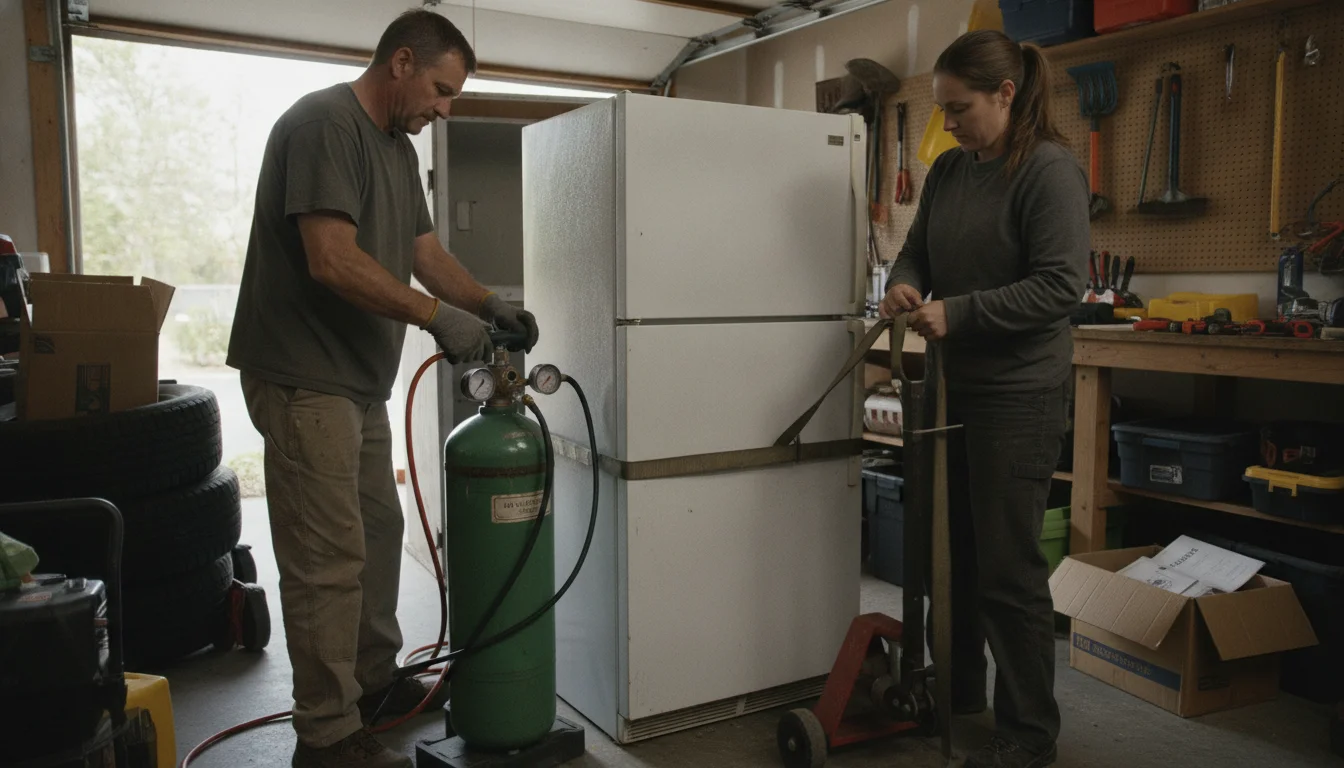
Appliance pickup services handle safe disconnection when appropriate, careful in‑home removal, and lawful recycling or disposal of refrigerators, washers, dryers, and more. Expect a crew to protect your home, manage stairs and tight turns, load the unit, and route it for recycling, donation, or disposal with a clear, efficient process in Annapolis.
A Saturday fridge swap can seem straightforward—until you meet narrow hallways, stairs, and old water lines. That’s why many homeowners call Annapolis MD Junk Removal. With the right plan, removal is fast, careful, and tidy. This guide explains each step, what to expect, and how to choose a dependable local team.
Table of Contents
- What do appliance pickup services include?
- How does the removal process work from booking to haul-away?
- How much does appliance pickup cost and what affects the price?
- What should I do before my appliance pickup arrives?
- Where do old appliances go—are they recycled responsibly?
- What about heavy, hazardous, or special appliances?
- How do I choose a reliable appliance pickup service near me?
- Key takeaways
- Frequently Asked Questions
- Conclusion
What do appliance pickup services include?
Appliance pickup includes safe removal, loading, and lawful disposal. The crew protects floors, doorframes, and stairs. They manage weight, tight corners, and steps with the right equipment. Many services will also disconnect water or power if lines are simple, accessible, and agreed upon beforehand.
Commonly removed appliances include refrigerators, freezers, washers, dryers, dishwashers, ovens, ranges, microwaves, window AC units, water heaters, and trash compactors. Some teams also take built‑ins, wine fridges, and commercial‑grade units. Ask about size, weight, and special hookups early to avoid last‑minute surprises.
In‑home pickup means the team comes inside, pads the path, and carries the unit out. Curbside pickup is faster and lower contact: you stage the item at the driveway or curb, and the crew loads it. Curbside is ideal if you can safely move the item and want a precise time window. In‑home is best for bulky or risky units.
- Curbside pros: quicker stops, straightforward timing, and often simpler logistics.
- In‑home pros: no lifting for you, controlled pathways, and safer for stairs or tight halls.
Many junk removal companies, including Annapolis MD Junk Removal, can bundle appliance pickup with Residential Junk Removal in a single trip. That’s helpful when you also have a sofa, a mattress, or garage clutter to clear.
How does the removal process work from booking to haul-away?
The process starts with a quick call or online booking. You’ll share the item type, approximate size, where it sits in the home, and any access notes. Photos help, especially for stairs or tight turns. You’ll receive a pickup window and prep tips, such as clearing a pathway or unplugging the unit.
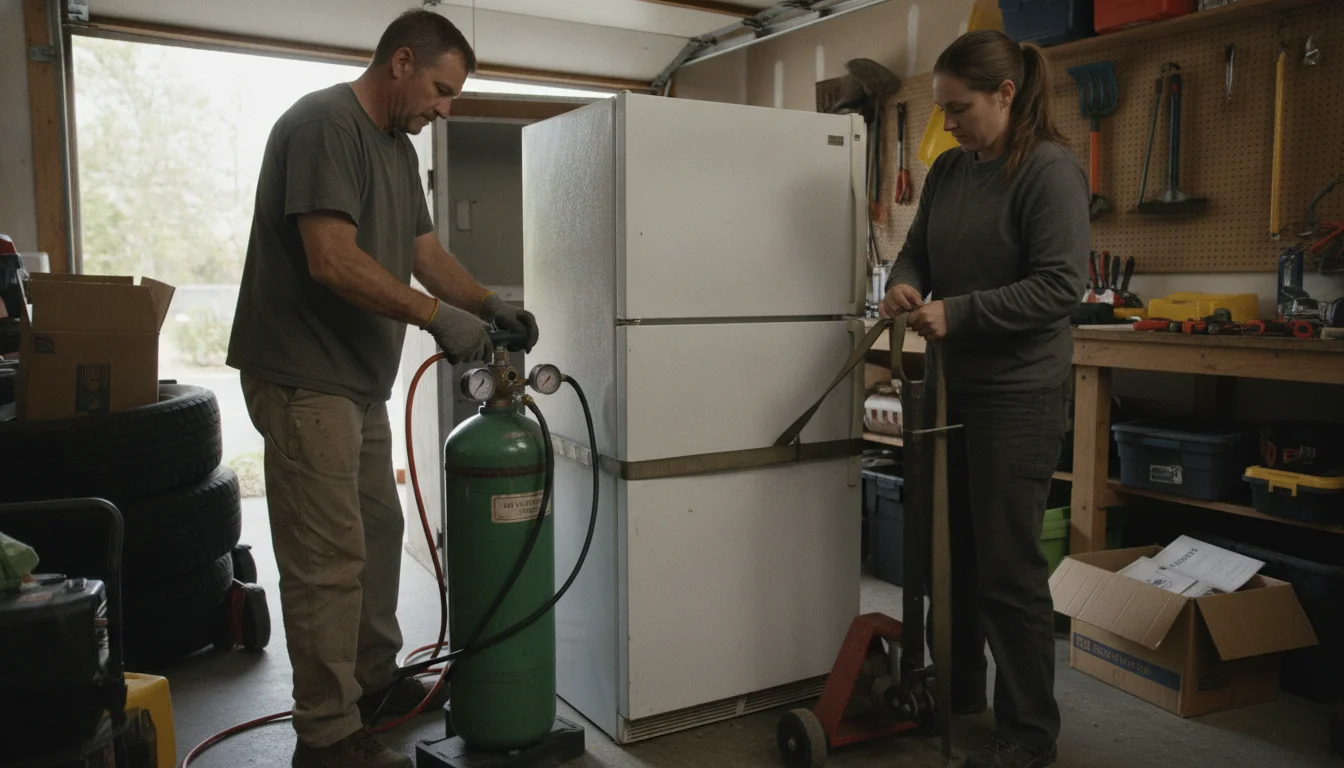
On pickup day, the team arrives, greets you, and walks the route from the appliance to the truck. They lay floor protection and pad sharp edges. If agreed, they disconnect basic water lines or power. For gas, they confirm the shutoff and cap are in place. Then they use dollies and straps, move carefully, and load the unit.
What happens on pickup day step by step?
- Walkthrough and safety check.
- Protect floors and corners.
- Disconnect basics if planned.
- Lift, navigate, and load.
- Confirm the area is clean and dry.
After loading, the crew transports the item to the appropriate facility. Fridges and AC units with refrigerant go to approved processors that recover and handle gases in line with federal requirements. Metals head to recycling yards. Clean, working units may go to donation partners or refurbishers.
What occurs after pickup: transport and disposal chain
A reputable company tracks where items go. They separate metal, plastic, glass, and sealed systems. They maintain records for regulators and internal audits. If you need proof for a building manager or HOA, ask for a disposal summary.
How much does appliance pickup cost and what affects the price?
Prices vary by item size, weight, access complexity, and distance. Stairs, long carries, or complicated disconnects can add time. Combining items into one trip is often more efficient than separate visits. Rural routes may require longer drive times, while urban pickups can involve parking and elevator considerations.
Common pricing approaches include per‑item pricing for standard units and volume or time‑based pricing for mixed loads. Some providers charge a small pickup fee that adjusts if you add items. Special handling for built‑in fridges or stacked laundry centers can change the estimate.
Why quotes vary
Independent cost surveys and local policies evolve, and the final figure depends on the job. Sharing photos during booking helps refine an estimate upfront. If extra services are required—such as having a licensed pro cap a gas line—arrange that work before the pickup date.
Ways to make pickup day faster
- Group items: add a microwave, small TV, or light junk in one visit.
- Choose curbside if you can safely stage the unit.
- Clear the pathway to minimize on‑site time.
- Book during normal hours; off‑hour requests may be limited.
- Ask about combining Appliance Removal with House Cleanout or Furniture Removal when downsizing.
Annapolis MD Junk Removal works across Annapolis each week and can outline options that suit your home and schedule. Clear details help the team size truck space accurately and arrive with the right gear the first time.
What should I do before my appliance pickup arrives?
Simple prep keeps the visit smooth. Empty the appliance and wipe away moisture. For fridges and freezers, defrost 24 hours in advance so melting water doesn’t reach floors. Move rugs, plants, and end tables out of the route. Crate pets. Share notes on stairs, narrow halls, or elevators.
Safety prep and disconnecting utilities
Unplug electric units the night before. Turn off water valves and disconnect washer hoses. For ice makers, close the supply valve. Gas lines must be shut off and capped—this is typically a task for a licensed plumber or gas technician. If a valve sticks or leaks, don’t force it.
Access, parking, and building requirements
Reserve a parking spot if possible. In apartments and condos, check with your building about elevator pads, certificates of insurance, and time windows. Share gate codes or concierge details. If doors must come off hinges for a large fridge, plan a clear place to set them safely.
If weather is poor, clear snow or leaves from steps and walks. Good lighting supports safe footing. Crews bring ramps and floor runners, but your path prep makes the job faster and gentler on your home.
Where do old appliances go—are they recycled responsibly?
Many appliances are recycled for metal, plastic, and glass. Units containing refrigerant—like fridges and ACs—need special handling. Refrigerant must be recovered and handled under federal rules to protect air quality. Oils, foam, and capacitors may also require proper disposal.
How recycling and de-manufacturing work
At a recycling or de‑manufacturing site, staff remove doors, drain oils, and extract compressors. Metals are shredded and sorted by type. Plastics and glass are separated. Proper recovery of refrigerant and other substances helps reduce harmful releases, as covered by U.S. EPA refrigerant regulations.
When donating or refurbishing makes sense
If a unit works and is safe, donation can help local groups. Basic washers, dryers, and stoves are often welcome. Refurbishers may address minor issues and resell. Check that cords are intact and there are no leaks. Charities may prefer curbside transfer for safety.
Some programs emphasize responsible recovery of refrigerants and materials from old fridges and freezers. You can ask whether your provider aligns with EPA‑informed practices for end‑of‑life handling similar to the agency’s guidance.
What about heavy, hazardous, or special appliances?
Very heavy units—such as built‑in fridges, stacked washer‑dryer sets, or large chest freezers—need added planning and gear. Crews may remove doors, adjust hinges, or use powered stair climbers. For basement units, tight turns can call for rail padding and slow, controlled moves. Patience and communication prevent damage.
Refrigerants, gas lines, and legal compliance
Refrigerants in fridges and AC units must be recovered in accordance with federal law. Improper releases harm the environment and can bring penalties. Gas lines must be shut off and capped by a qualified pro before removal. Ask your provider what they handle and what you should arrange.
Stairs, tight spaces, and preventing damage
Pros use dollies, shoulder straps, sliders, and floor runners. They pad banisters and corners. Fridge doors—or even room doors—may be removed to gain an inch or two. If a wall is at risk, a good crew pauses and resets. Reputable teams carry insurance for peace of mind and document conditions before and after.
If an appliance is in an attic, over a garden, or behind a tight island, share photos during booking. The crew can bring the proper tools, extra hands, or a smaller secondary dolly for tricky landings.
How do I choose a reliable appliance pickup service near me?
Look for a company that explains their process clearly, shows proof of insurance, and maintains clean, recent reviews. Ask how they manage recycling, donation, and regulated materials. Strong teams give arrival windows and updates, show up with floor protection and the right tools, and treat your home with respect.
Key questions to ask before you book
- Do you offer both in‑home and curbside pickup, and which fits my space?
- Will you disconnect basic water or power, and what should I prep ahead of time?
- How do you handle refrigerants and other regulated waste streams?
- What happens to my appliance post‑pickup—recycle, donate, or disposal?
- Can you provide building‑required documentation (such as certificates) if needed?
Red flags to avoid and signs of quality
Red flags: vague answers about disposal, no insurance, pushy upsells, and poor communication. Signs of quality: clear prep lists, careful walkthroughs, real floor protection, and transparent routing after pickup. Local knowledge helps with parking, elevators, and HOA rules in Annapolis and nearby neighborhoods.
If you need more than one item gone, ask about bundling with Residential Junk Removal. When downsizing or moving, House Cleanout can help. If your sofa and old range both need to go, pairing Appliance Removal and Furniture Removal in one efficient visit is straightforward.
Key takeaways
- Plan the path: clear space, disconnect basics, and sort parking to keep the visit smooth.
- Pick the right service: curbside for speed; in‑home for heavier or tricky items.
- Ask about outcomes: look for recycling and donation options with documentation.
- Mind safety: refrigerants and gas lines require proper handling by qualified pros.
- Bundle smart: combine items or services for one efficient trip.
Frequently Asked Questions
Can a crew disconnect my water or power lines?
Many teams can handle simple water and power disconnects when valves and outlets are easy to access. Gas lines should be shut off and capped by a qualified pro before pickup. Share photos during booking so the team understands your setup and can guide your prep.
Do I need to empty and defrost my fridge before removal?
Yes. Empty the fridge and freezer, then defrost at least 24 hours before pickup. This prevents leaks on floors and stairs, protects the crew, and speeds up the visit. Wipe up moisture and leave doors open to air out before the team arrives.
What happens to my old refrigerator after it’s hauled away?
It depends on condition. Units with refrigerant go to approved processors for gas recovery under federal rules. Metals are recycled, and usable parts may be salvaged. If the fridge works and is safe, it may be donated or refurbished through local partners.
Can you remove appliances from upstairs or a basement?
Yes, but stairs, tight turns, and weight require extra care and tools. Crews use dollies, straps, and pads to protect your home. Share photos of stairwells, railings, and landings so the team can plan the safest route and bring the right equipment.
What if I live in a building with elevator rules and insurance needs?
Tell the company during booking. Many providers can supply certificates of insurance and work within building time windows. They’ll pad elevators and follow house rules. Share any time limits, loading dock details, and concierge contacts to keep the day on track.
Conclusion
From first click to final haul, the right team makes appliance removal simple, safe, and environmentally responsible. Annapolis MD Junk Removal serves homes across Annapolis and the surrounding area, handling careful in‑home pickups, curbside options, and responsible recycling. Contact us to schedule appliance pickup in Annapolis.
If you are not sure which of these you are dealing with, it is worth having someone look at it before it turns into a bigger job. Get in touch with Annapolis MD Junk Removal today and we will tell you where you stand.