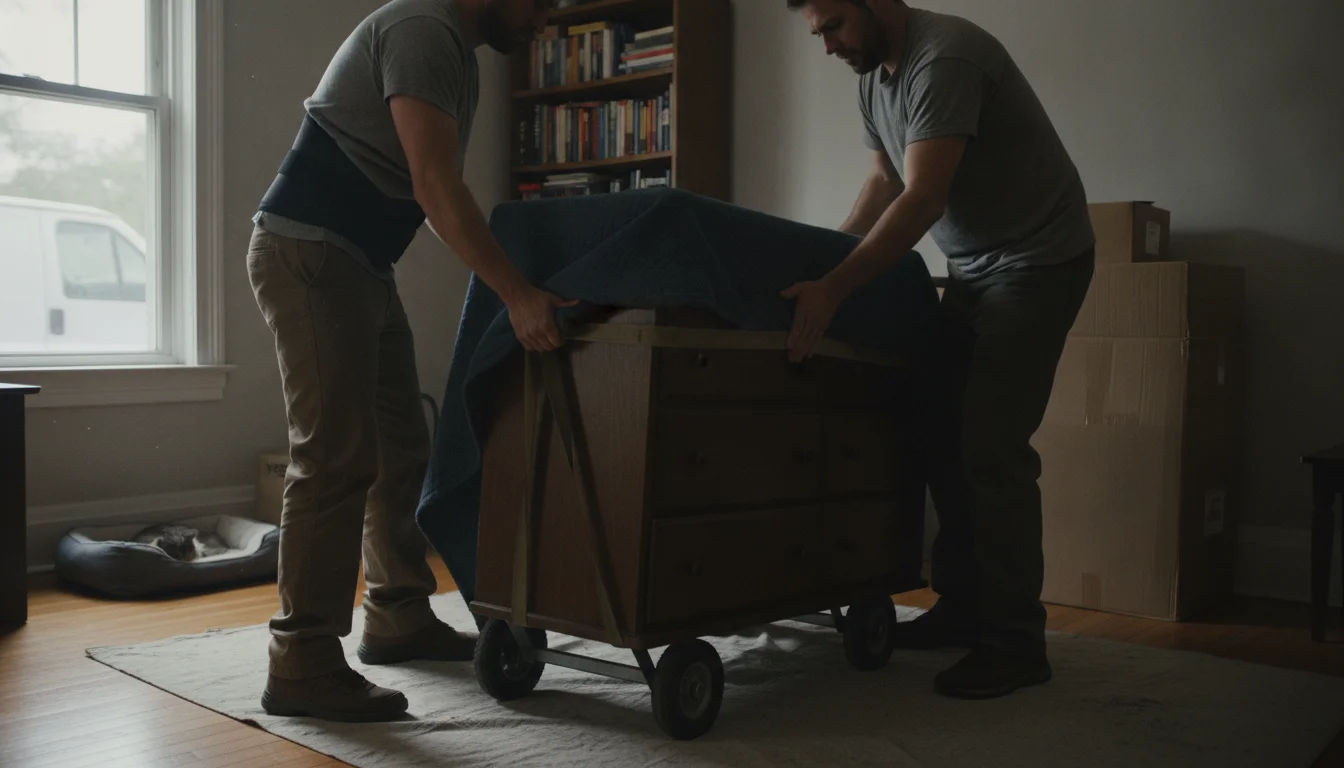
Furniture removal services handle the lifting, loading, hauling, and responsible disposal of bulky items like couches and mattresses. In Annapolis, a professional team provides an estimate, schedules a visit, carefully removes furniture from any room, and donates or recycles when possible. You get a tidy sweep-up and clear communication from start to finish.
Letting go of old furniture can feel hard. It’s heavy, awkward, and time-consuming. A trusted local crew can make it simple. In Annapolis, many homeowners choose full-service help to save time, protect floors, and keep good pieces in use through donation. Annapolis MD Junk Removal offers this kind of support for homes and small businesses.
Table of Contents
- What do furniture removal services include?
- How does the pickup process work from quote to haul-away?
- How much do furniture removal services cost and what affects the price?
- How should I prepare my home and furniture for removal day?
- What happens to my old furniture after pickup?
- Can they remove bulky or specialty items safely?
- How do I choose a reliable furniture removal company near me?
What do furniture removal services include?
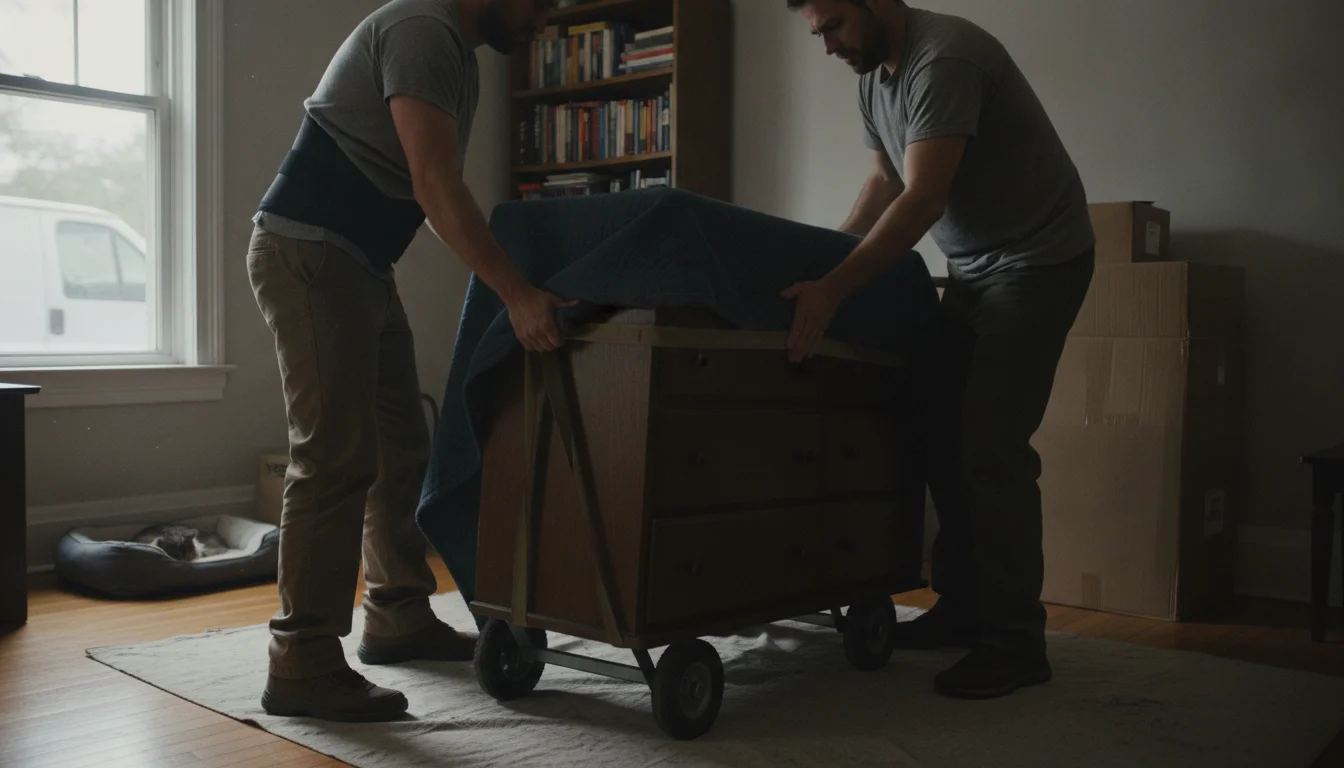
Furniture removal teams provide the labor, loading, transport, and disposal plan for your items. They arrive with a truck, proper moving gear, and trained staff. Crews remove furniture from any room, navigate tight spaces carefully, and tidy up after loading. Many companies also sort items for donation, recycling, or responsible disposal based on condition and local rules.
This service is handy when moving, remodeling, or reclaiming space. Crews protect walls and floors, map the safest route out, and manage light disassembly when needed. That might include removing table legs or splitting a sectional so each piece fits through doorways and hallways.
Typical items they take (sofas, mattresses, dressers, tables, décor)
Common pickups include couches, loveseats, recliners, sectionals, futons, bed frames, box springs, and mattresses. Dressers, nightstands, tables, chairs, bookcases, and TV stands are standard. Many teams also take ottomans, mirrors, lamps, and décor. Outdoor pieces like patio sets and umbrellas are fine if they’re safe to lift and load.
Crews can handle bulky storage like armoires and wardrobes. If you have a sleeper sofa, they can usually move it after checking the frame and mattress. For home offices, they’ll remove desks, file cabinets, and task chairs. Office Cleanout and broader Junk Removal Services can expand the scope if the project grows.
Items they cannot take and why (hazardous waste, built-ins)
Most teams cannot take hazardous waste. Hazardous waste refers to items that may harm people or the environment, such as wet paint, chemicals, fuels, and certain batteries. Local regulations define what counts as hazardous. For guidance, see the U.S. Environmental Protection Agency’s page on household hazardous waste.
Built-in or hardwired elements, like wall-mounted cabinets or wired light fixtures, require de-installation. Some teams offer light demo, but many skip structural removals. Ask ahead about pianos, pool tables, or fragile antiques. If an item isn’t safe to move as-is, partial disassembly may be suggested first.
How does the pickup process work from quote to haul-away?
A smooth job follows clear steps. First, you share what needs removing. Then you receive an estimate. Next, you schedule a visit. On the day, the crew confirms the arrival window, walks the site, and provides a final price based on what they see. If you approve, they load, sweep up, and haul the items away.
You can help by listing items and noting stairs, elevators, or tight turns. Good teams ask about parking, gate codes, and your preferred time window. Expect friendly, transparent communication. If your project changes, let them know early so they bring the right truck, equipment, and staff.
On-site vs. virtual estimates: which is better and when
On-site estimates are best for complex jobs. The team can measure doors, check stairs, and evaluate tight corners. They see true size and weight, which helps avoid surprises.
Virtual estimates work well for simple, single-item pickups. Send clear, well-lit photos with a size reference, such as a tape measure. Note the floor level, elevator access, and parking situation. Virtual quotes can save time and speed up scheduling when items are straightforward to access.
Day-of-service steps: arrival window, confirmation, loading, cleanup
Expect a short arrival window and a heads-up when the truck is en route. The crew walks through the job, confirms the final price, and protects floors as needed. They remove items room by room, load the truck carefully, and sweep up. You’ll receive a straightforward receipt and a note on donation or recycling when applicable.
After loading, the team clears driveways and hallways. If a door temporarily comes off, they reinstall it before leaving. Professional crews respect your time and property. Residential Junk Removal services follow a similar flow if you add boxes, small junk, or a few appliances to the same visit.
How much do furniture removal services cost and what affects the price?
Costs vary by item size and weight, the number of pieces, access conditions, and distance to disposal or donation sites. Many teams price by the time and truck space required. Hard access—multiple flights of stairs, long carries, or elevator delays—can affect the total. Extra care for fragile or very heavy items can add time, too.
If you have outdoor access or an easy first-floor pickup, the process is often quicker. Grouping items in one spot can also help. When donation or recycling is likely, crews may sort at the curb or truck to keep good items separate and clean. Ask in advance how they handle items in fair or poor condition so expectations are clear.
Common pricing models (volume, per item, minimums, surcharges)
Many companies use volume pricing, meaning you pay for the portion of truck space your items occupy. Some teams use per-item pricing for single pieces like a mattress or recliner. There’s often a minimum charge to cover the truck and crew.
Surcharges can apply for long carries, stairs, elevator delays, or very heavy pieces. Additional fees may cover specialty handling or drop-off at specific facilities. Clarify what counts as a surcharge before the appointment. Good teams explain their model in plain terms so you know what to expect.
Ways to make pickup day faster
- Group items for one visit to reduce trips
- Move smaller décor to one spot for quicker loading
- Share a pickup with a neighbor when practical
- Schedule during normal access hours to avoid delays
- Ask about donation options for gently used pieces
Sorting light items ahead of time can speed things up. Keep safety first and avoid lifting beyond your limits. Furniture Removal services like Annapolis MD Junk Removal can recommend safe prep steps that fit your space.
How should I prepare my home and furniture for removal day?
A little preparation makes the day go smoothly. Measure doors, stairways, and hallway turns. Clear paths from each room to the exit. Pick up rugs or small trip hazards. If needed, protect floors with runners or cardboard. Keep pets in a quiet room so the crew can focus on safe lifting and navigation.
Take photos of existing wear on older furniture if you want a record of condition. If you plan to keep hardware or knobs, remove them ahead of time. If the team will disassemble, set aside a clean container or bag for small parts. Label items that are staying so nothing gets taken by mistake.
Measure, clear pathways, and protect floors
Measure the widest point of each piece. Compare it to door widths and stair landings. If a sofa is too big, the crew may remove legs or a door briefly. Clear a path at least three feet wide. Use floor protection near tight turns or on delicate wood surfaces.
Keep kids and pets away from the work area. The team will carry heavy pieces and needs room to pivot. Clear the driveway or reserve a loading zone so the truck can park close. Good access reduces carry time and helps keep everyone safe.
Stairs, elevators, and parking tips for smoother service
Tell the team about your floor level, number of stairs, and elevator size. Reserve the elevator if your building allows it. Ask about parking needs and place cones if street parking is tight. Share gate codes and any time limits in advance. These steps prevent delays and keep your schedule on track.
If you live in a busy part of Annapolis, consider mid-morning appointments to avoid peak traffic. Annapolis MD Junk Removal can suggest time windows that fit your building rules and local traffic patterns.
What happens to my old furniture after pickup?
After pickup, crews sort items by condition. If a piece is in good shape, it may go to a local charity or reuse center. Donation keeps furniture in circulation and supports neighbors in need. When a resale option is available, some items move to thrift or nonprofit shops that accept furniture.
If donation isn’t possible, recycling is next. Recycling means breaking down furniture into components such as wood, metal, and foam so materials can be reused. When neither reuse nor recycling is feasible, items go to a licensed disposal site. Local regulations guide the final destination and handling methods.
Donation policies vary. Many charities require items to be clean and free of significant damage. For mattresses, check state programs and rules. The Mattress Recycling Council explains how state mattress recycling programs work.
Key takeaways
- Good pieces are donated when local groups can accept them
- Materials get recycled when safe and practical
- Hazardous items are excluded and require special handling
- Clear prep and access speed up your pickup day
- Ask for the end plan so you know where items will go
Can they remove bulky or specialty items safely?
Yes, trained teams move heavy or unusual pieces every day. They use lifting straps, dollies, and floor protection. Crews plan the path out of your home and may remove doors or legs for a safer carry. Clear communication and steady, careful moves help prevent bumps and scrapes.
Power recliners, storage beds, and heavy dressers need extra care. Crews may unload drawers and remove glass before moving. If a piece is fragile or antique, let the team know ahead so they arrive with padding and added protection.
Couches, sectionals, recliners, and mattresses
Sectionals separate at the clips and move in smaller parts. Recliners often detach at the back to make carrying easier. Mattresses flex, but crews use covers to keep them clean so donation or recycling remains an option. If stairs are narrow, a sofa may be stood on end and pivoted carefully at landings.
Adjustable bases can be heavy. Teams fold and secure the frame before lifting. If a sleeper sofa is stuck, they may remove the mattress first to reduce weight. Furniture Removal services know these techniques and will explain the plan before starting.
Pianos, sleeper sofas, wall units, and oversized pieces
Pianos and very large wall units may require extra staff or a specialist partner. These items can be both heavy and unbalanced. If your building has narrow stairs, the team may suggest an alternate method or schedule a larger crew.
Sleeper sofas include a steel frame that adds weight. Crews check latches and secure moving parts before lifting. For oversized pieces, they may complete light disassembly to protect your space. If your project grows, Junk Removal Services can add more trucks or staff to keep things on schedule.
How do I choose a reliable furniture removal company near me?
Start with licenses and insurance. Licensed means the company has the legal authority to haul. Insurance helps cover accidents or damage. Ask about staff training and how long crews have worked together. Read recent reviews and look for notes on care, punctuality, and cleanup.
Confirm the company’s disposal approach. Ask where items go, how they decide on donation, and what they recycle. Look for simple scheduling, clear arrival windows, and courteous communication. A reliable team explains pricing in plain language and sets fair expectations.
Frequently Asked Questions
Do junk removal companies take couches?
Yes. Most furniture removal services take couches, loveseats, sectionals, and recliners. They often detach legs or backs for safer moving. If access is tight, the crew may remove a door. Share details about stairs or elevators so they bring the right gear and staff.
Q: How can I get rid of a mattress near me?
A: You can schedule a pickup with a local hauling team or use a mattress recycling program if your area supports it. Check state or city rules on mattress recycling. Some charities accept clean, unstained mattresses. When donation isn’t possible, crews take them to approved facilities.
Q: Where can I get rid of a mattress?
A: Options include donation (if in good shape), mattress recycling centers, or drop-off at a local transfer station. Many removal teams handle drop-off on your behalf. Review your city’s rules and hours. The Mattress Recycling Council provides helpful state-by-state guidance on their site.
Q: What about tree branches or yard waste?
A: Many junk teams take yard debris if it’s bundled and safe to lift. For drop-off, your city’s public works site often lists yard waste centers and accepted items. If you prefer pickup, ask about a yard debris add-on when booking Residential Junk Removal.
Can I get same-day help for a shed or heavy item?
Same-day help may be possible when schedules allow. For light demo like a small shed, ask about safety steps and any required permits. Share photos and site access details. If timing is tight, a local team may offer the next available window.
Conclusion
A trusted local team makes removal easy, careful, and environmentally responsible. You’ll get clear steps, courteous handling, and smart end-of-life choices for your furniture. For Furniture Removal and larger Residential Junk Removal projects Annapolis MD Junk Removal is ready to help. Contact us.
If you are not sure which of these you are dealing with, it is worth having someone look at it before it turns into a bigger job. Get in touch with Annapolis MD Junk Removal today and we will tell you where you stand.